
Our Services
***
Our Services ***
Rot Stopper Downspouts is solving one of the biggest issues in the residential roofing industry today!
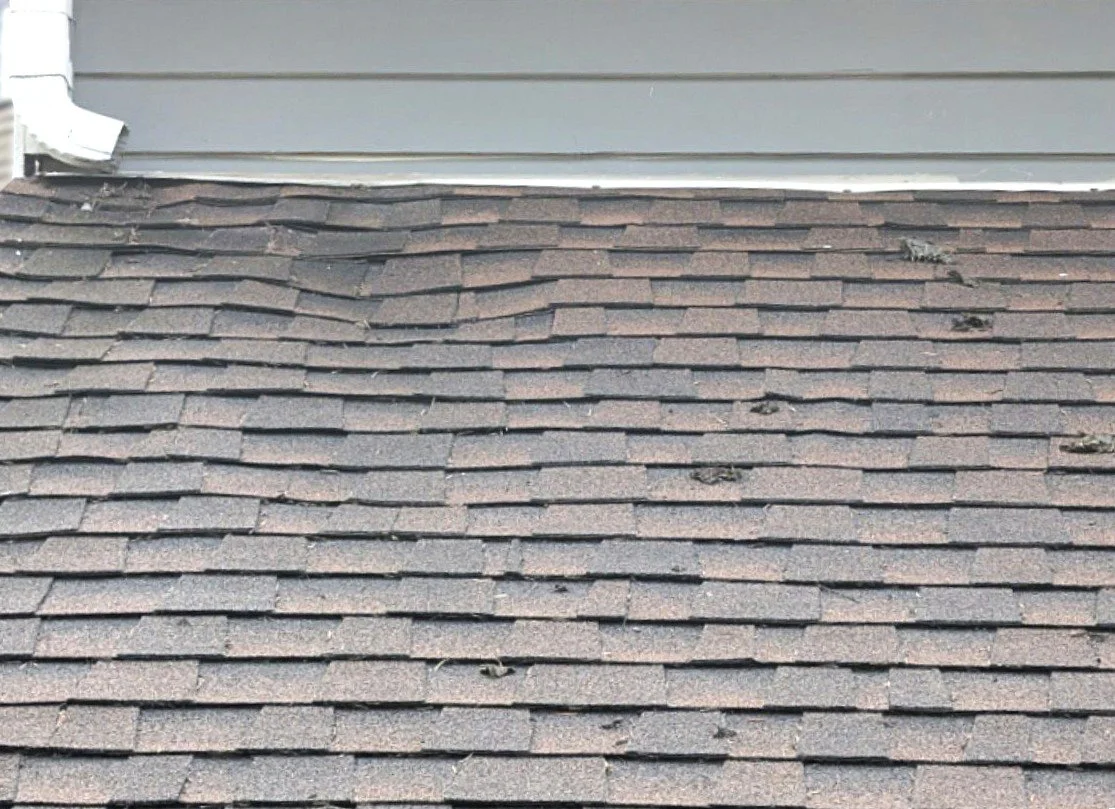
First Look
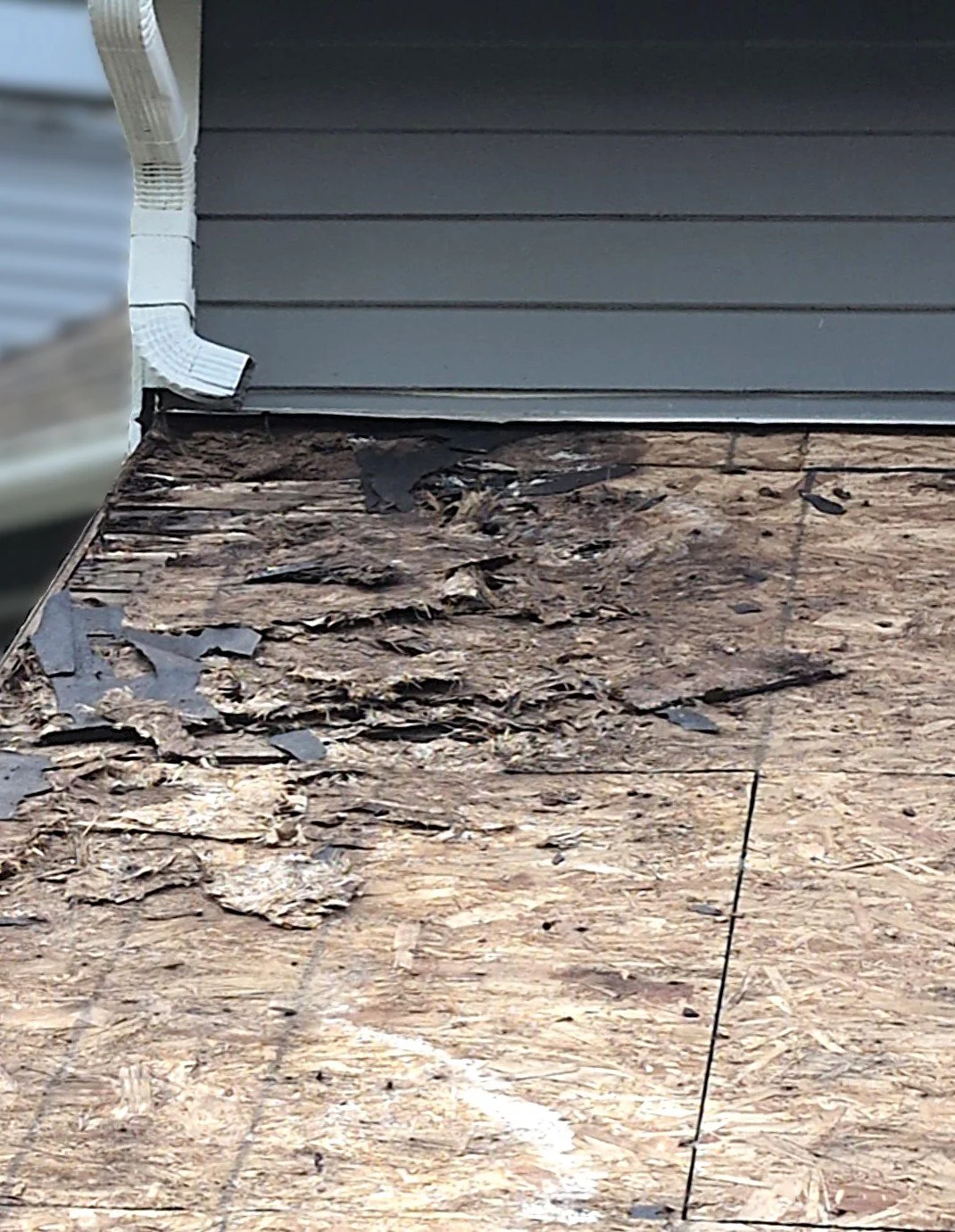
Sheathing & Underlayment Damage
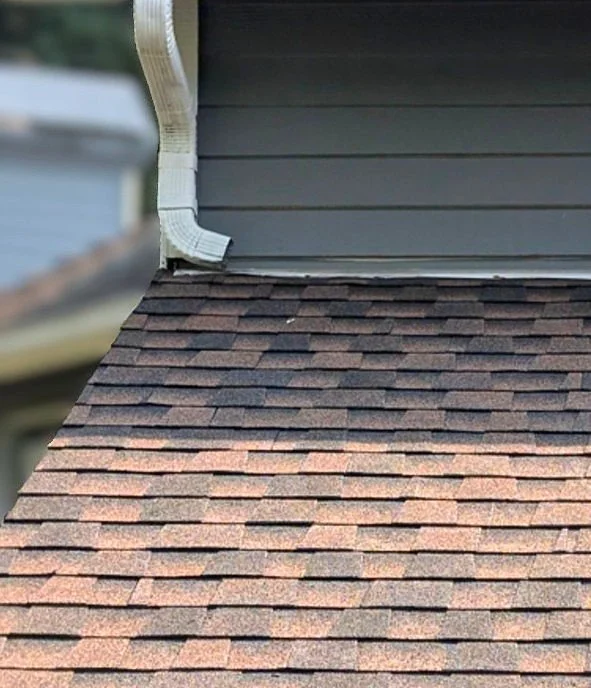
New Roof Installed
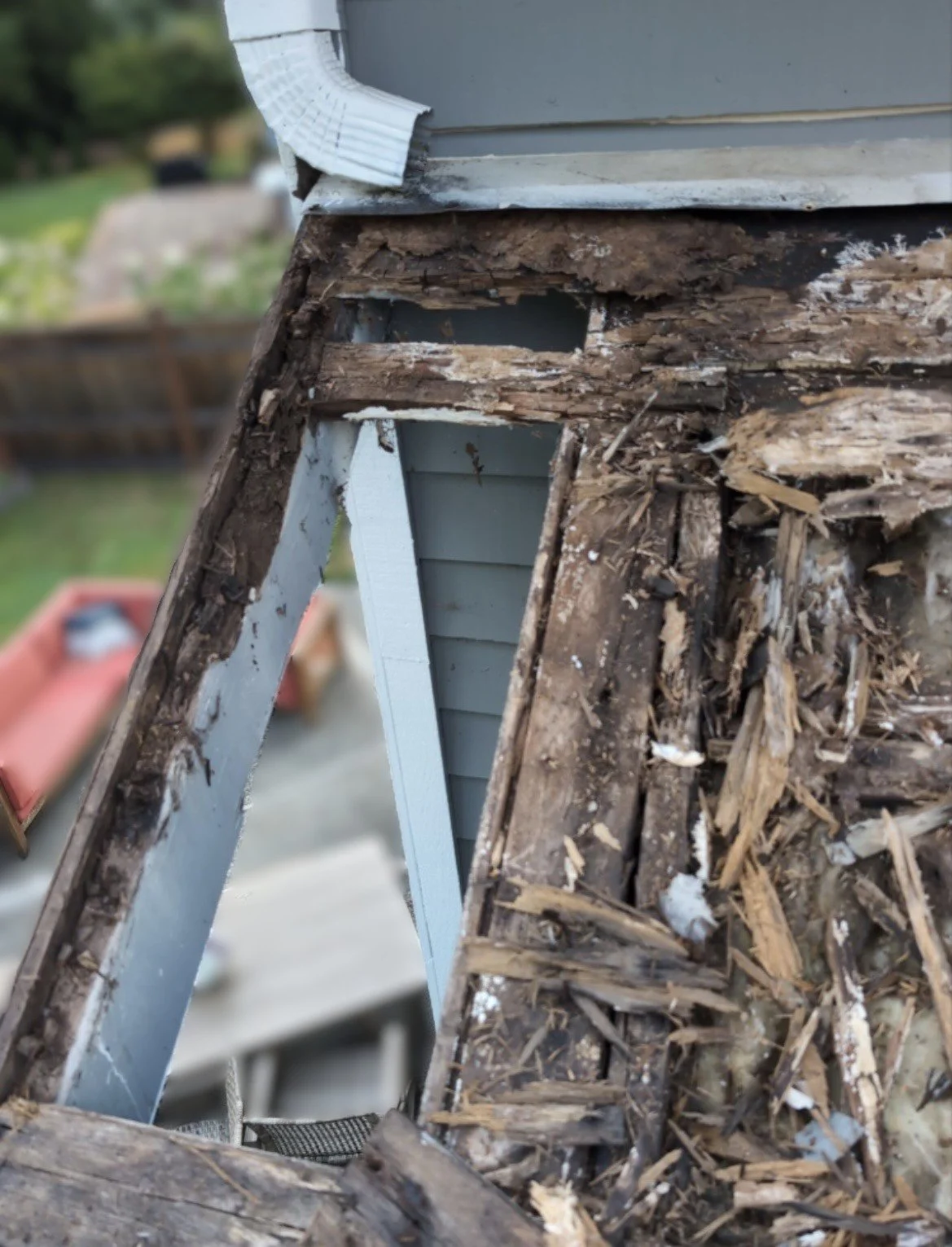
Rafter Damage
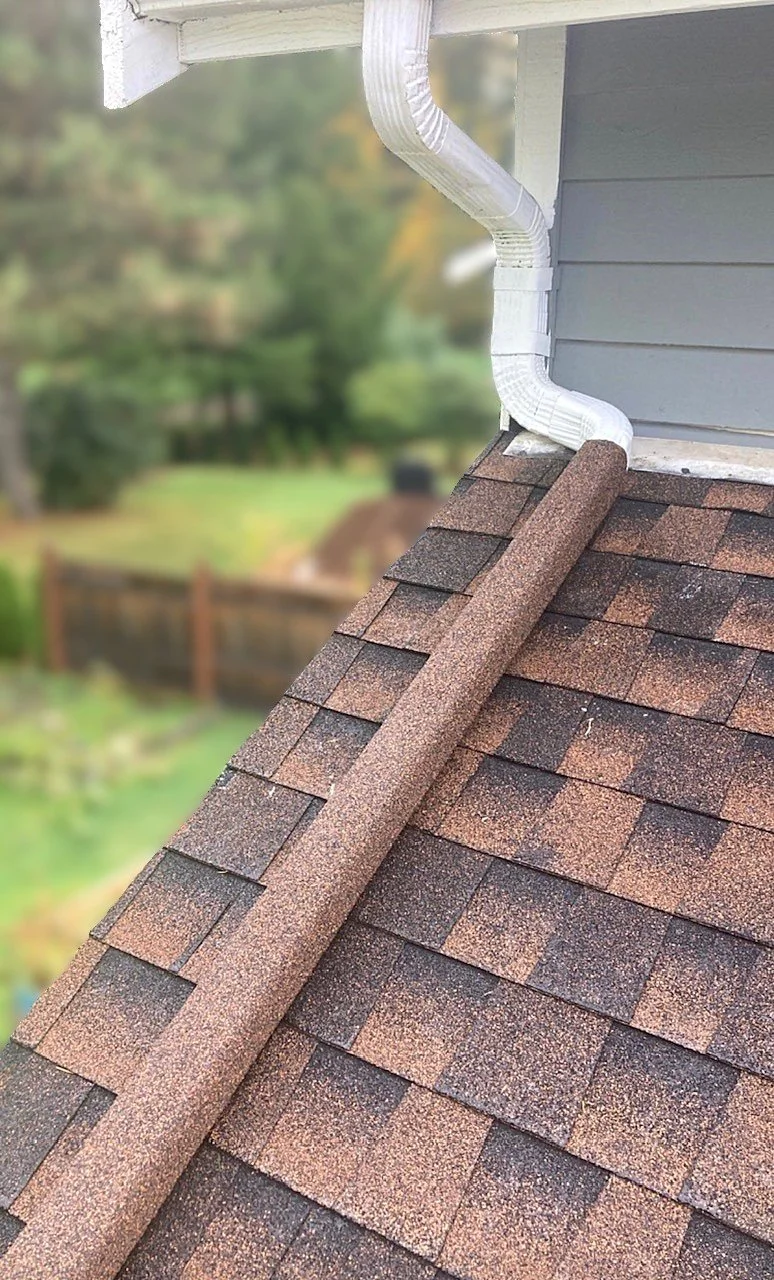
Rot Stopper Downspout Installed
Building Codes
***
Building Codes ***
Improper Roof Drainage and Building Code Compliance
Building codes and roofing best practices do not allow upper roof gutters and downspouts to discharge directly onto a lower roof surface. Doing so can overwhelm the lower drainage system, leading to overflow, premature system failure, and damage to roofing materials. Over time, this improper drainage can contribute to leaks, rot, and potential structural damage.
The International Building Code (IBC) and many roofing manufacturers caution against this installation method due to the increased risk of water intrusion and the possibility of voiding roofing warranties.
Instead, rainwater from upper roof sections should be directed across the lower roof through a properly designed drainage solution, such as a controlled water dispersion system like the Rot Stopper Downspout, and then safely discharged into the lower gutter system—provided that the system is properly sized to handle the additional water volume.
Code Compliance Requirements
Building codes require that roof drainage systems:
Discharge water safely away from the building foundation, or
Connect to an approved drainage system designed to handle the runoff volume
Water should never be discharged directly onto another roof surface without a designed drainage solution that manages flow, prevents damage, and maintains the integrity of the roofing system.
Proper drainage design helps protect the structure, extend roof lifespan, and ensure compliance with applicable building codes and manufacturer requirements.
Services
Services
Filters
No results found
No results match your search. Try removing a few filters.
Contact us
Interested in working together? Fill out some info and we will be in touch shortly. We can’t wait to hear from you!